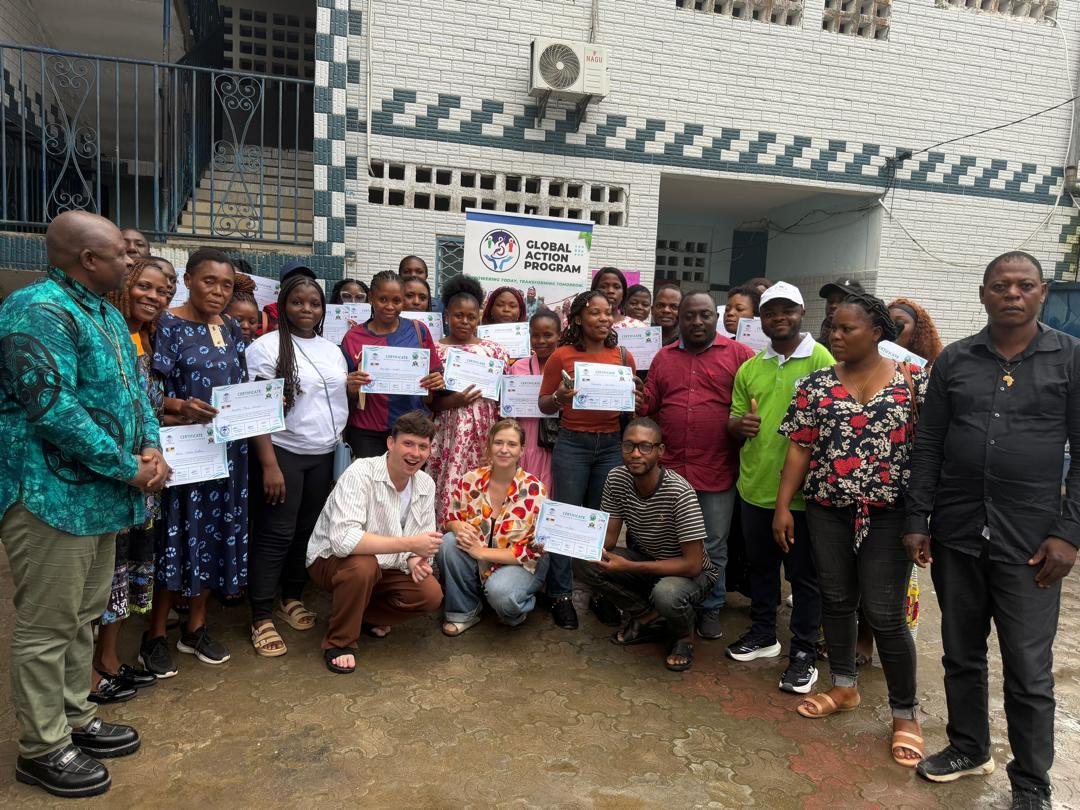
For many schools, school clubs and its activities is just an extracurricular activity that takes children out of the classroom but then these clubs could be a hub where students and pupils build businesses, learn skills, share ideas and knowledge on how to care for their communities and the planet. That has been one of the main focus of our ESD project this year and was at the heart of our one-day training on Saturday, october 10th 2026 at, at Mount Sinai Anglo-Saxon Nursery and Primary School in Boko, Douala.
Global Action Program (GAP) hosted the Teacher Training on Organizing and Managing ESD School Clubs, under the theme “Building the Blueprint: Practical Steps to Start and Sustain Your ESD School Clubs.” The training is part of the ASA BASIS Project and was held in partnership with SOPISDEW, VTI, GB4H and the ASA Programme. From 8 am to 4 pm, teachers and instructors from five schools in Boko came together to learn how to create and manage Education for Sustainable Development (ESD) clubs in their respective schools.
Education for Sustainable Development helps learners understand the big challenges of our time, from climate change to inequality, and gives them the skills and confidence to be part of the solution. A school club is one of the most practical ways to bring these ideas to life through students as it gives them space to lead, work as a team and turn learning into real projects. For this to be achieved, the clubs need trained teachers, clear structures and a plan, which is exactly what the training set out to provide to the participants.
A day designed for learning, sharing and doing
The program was built around two phases which were presentations and discussions. This was to make sure that the teachers do more than just listening by sharing experiences. We had presentations with voices from across our partnership which included;
- Tah Kennette Konsum, Director of SOPISDEW, presented the ESD School Clubs Project 2026.
- Tata Charity Yenlan, Programs Manager of SOPISDEW, led the session on gender perspectives in ESD, a reminder that sustainability works best when girls and boys, women and men all have a voice.
- Ngangwa Gabriel Foryang, Communication Officer of VTI-BHCE, shared lessons learned in previous projects.
- Fabienne Molela, an ASA Program participant, spoke about experiences with school clubs.
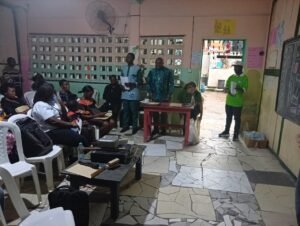
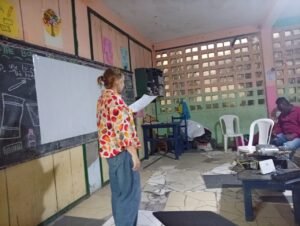
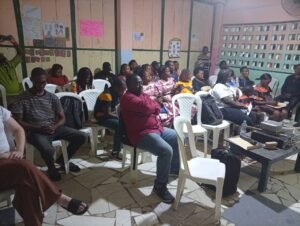
The World Café: six tables, six conversations
The centrepiece of the afternoon which was the second part of the workshop was a World Café. Participants chose the topics that mattered most to them, sat at a table and spent 20 minutes discussing it and creating a poster. They could then move to a new table or stay where they were. Afterwards, all posters were hung around the hall for a Gallery Walk, so everyone could see the ideas generated and continue the conversation. The tables covered the key building blocks of a successful club which included;
- Introducing ESD concepts to students
- Student recruitment, mobilization and forming a school club
- Internal club governance: leaders, roles, responsibilities and settings
- External club governance: involving principals, working with the school timetable and securing resources
- How to build a school action plan
- Sharing challenge, best practices and examples of lessons learned that can be thought to others
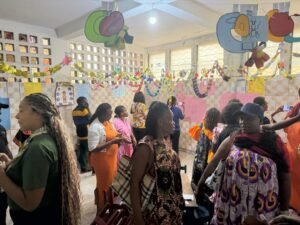
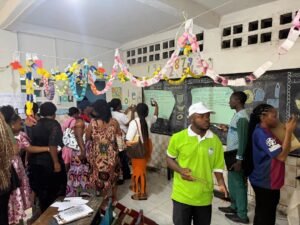
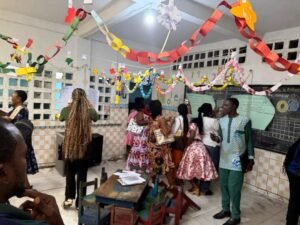
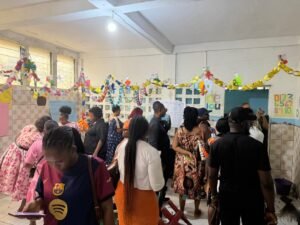
images from the gallery walk
From training to action
The training closed with a clear road map for participating schools, in two stages. These two stages were for them to;
- build their club: this includes recruiting interested students, establish the club, find students leaders, identify a sustainability challenge, develop a club project and an action plan
- take action: which include implementing a student-led project, documenting activities and progress, exchanging experiences with other schools, evaluating results, challenges and lessons learned, and equally plan how the club can continue beyond the project.
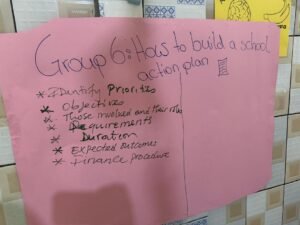
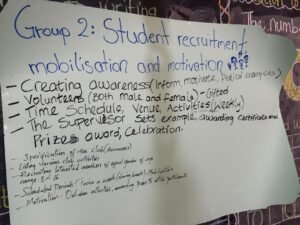
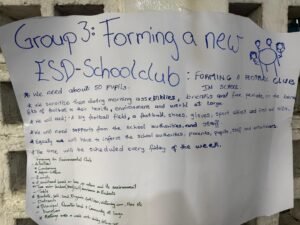
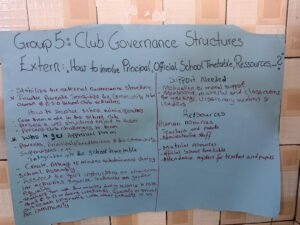
posters from the world cafe
We also introduced the miro board to the teachers which is where they will continue to share and document their journey on the project and also serve as a networking hub for our partner schools.
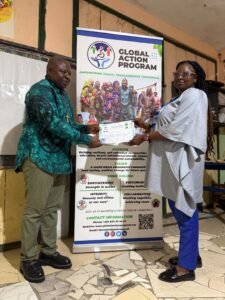
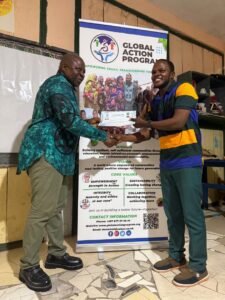
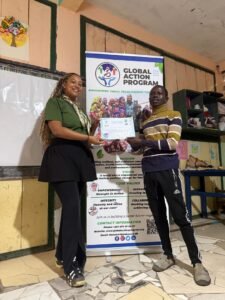
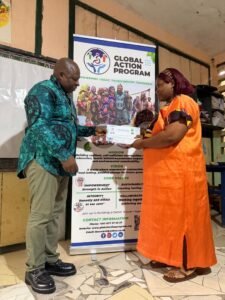
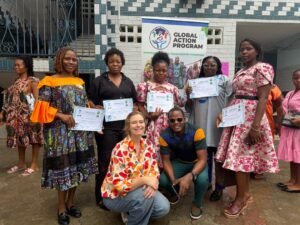
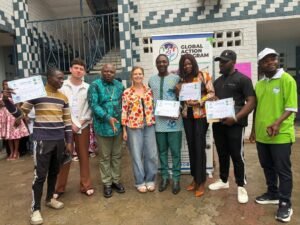
At the end of the seminar, certificates participation were handed to the participants. The teachers expressed their gratitude for being offered the opportunity to learn and equally promised to implement the knowledge they have gained in their respective schools. As the next step in our project, we will do follow up to ensure that these clubs are created and also monitor their club activities/projects and assistant them when needed
Leave a Reply