Category: Education

  • ESD TEACHER TRAINING WORKSHOP IN YAOUNDE

    ESD TEACHER TRAINING WORKSHOP IN YAOUNDE

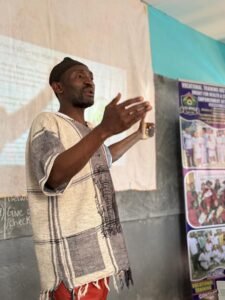
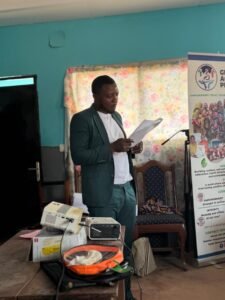
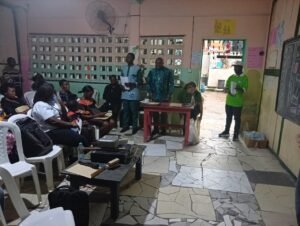
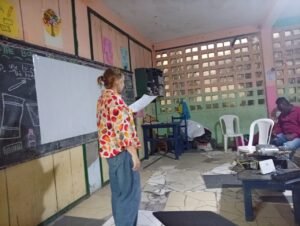
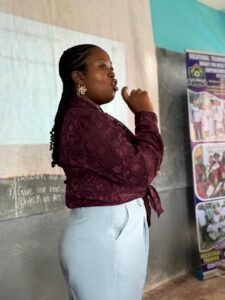
    Global Action Program (GAP) in collaboration with SOPISDEW, GB4H and VTI-BCH have again achieved another mile stone in their 2026 ESD project as they were able to organize a one-day workshop in the Yaoundé on October 17th 2026. This training which held at sky limit nursery and primary school Monte Sante in the center region of Cameroon brough together 41 teachers from different institutions across Yaoundé VI. The workshop followed the earlier 2026 ESD project held in Douala, aimed at training teachers on how to start and manage ESD school clubs in their schools.  Presentations during at the event were not different from those on our previous 2026 ESD workshop in Douala, which were centered around understanding the concept of ESD and what it is all about, gender perspectives in ESD, and example of a previous ESD project and lessons learned, and how these teachers can use the mirror board to document their club activities
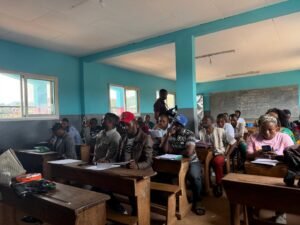
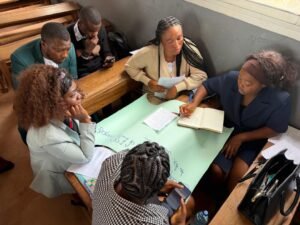
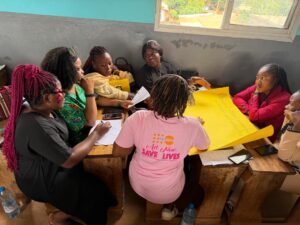
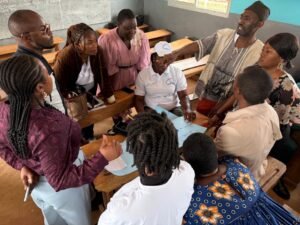
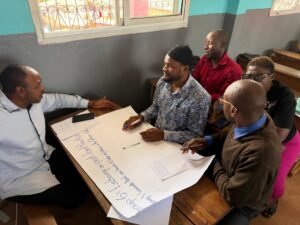
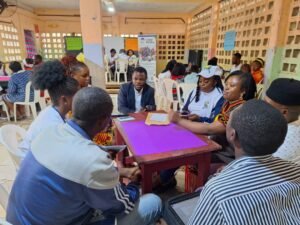
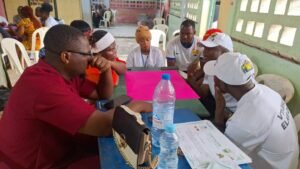
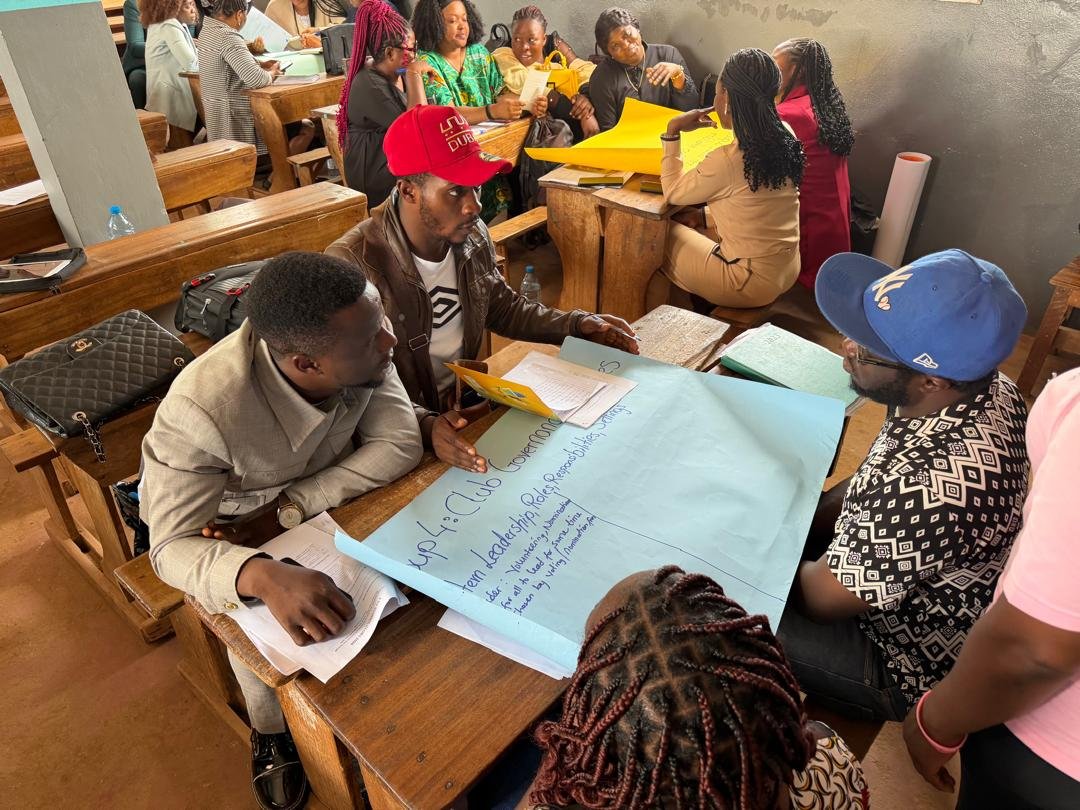
    Right after the presentations, the teachers went into a world café where they formed six groups and were assigned different topics in relation to ESD for them to brainstorm and share ideas on, which included;

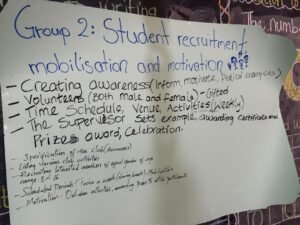
    • Student recruitment, mobilization and motivation in school clubs
    • Exchange on past best practice (things learned thar can teach and help others in the future clubs
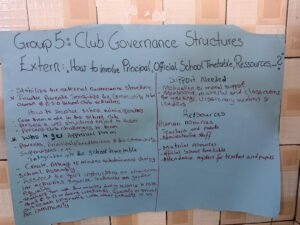
    • Club governance structures (how to involve the principal, include it in the school timetable or mobilize resources)
    • Introduction of ESD concepts to the students
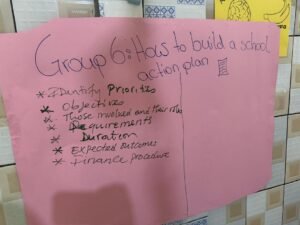
    • Hot to build a school action plan
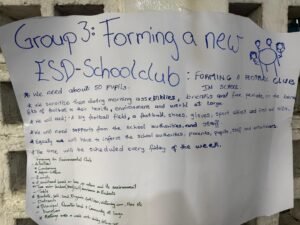
    • Forming a new ESD club.

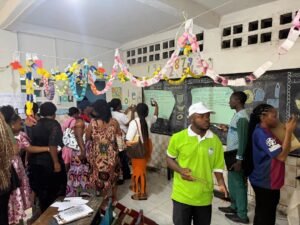
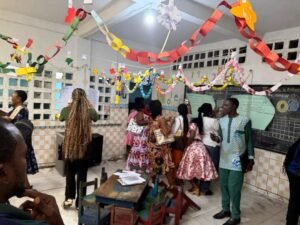
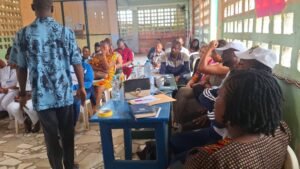
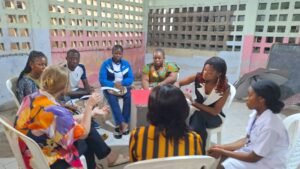
    images of the world cafe

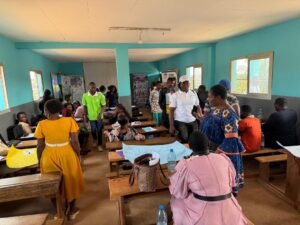
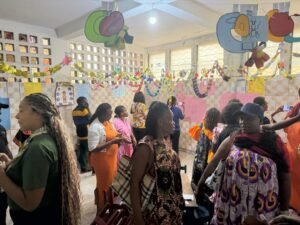
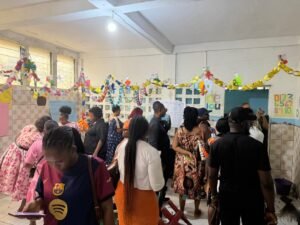
    This was followed by a gallery walk where the teachers moved from one group to the next t read what other participants had put up on their posters.
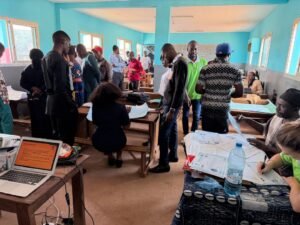
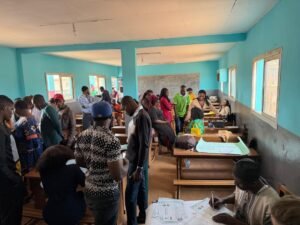
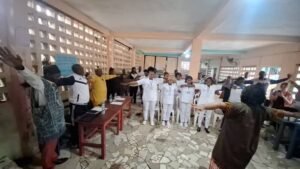
    images of the gallery walk by participants

    During the seminar, the participants were given the opportunity to express their worries and equally come up with possible solutions to their worries especially in regards to convincing proprietors to buy the idea of school clubs and equally contribute or support these club activities. These discussions ended with some suggestions from the participants which included:

    • Advocacy for these club activities to be included in the official Cameroon school curriculum
    • Visit of the different schools by the project team for discuss with the proprietors on the importance of the project to the school, the students, the community and why they should embrace the idea in their different institutions.
    • Sponsorship or support of school club’s maiden projects by the ESD project collaborating organizations as this will help parents to see the impact and will be motivated to fund or support the subsequent projects

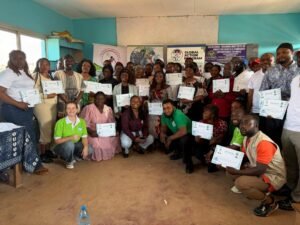
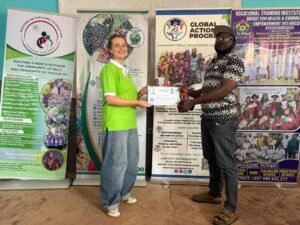
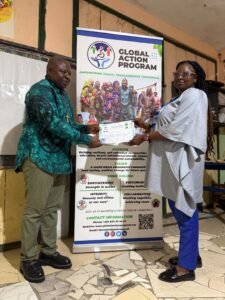
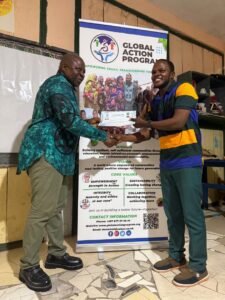
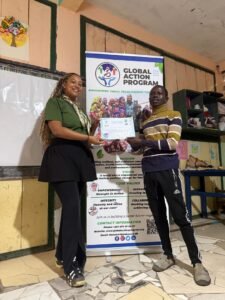
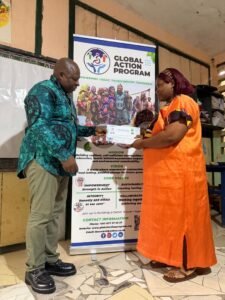
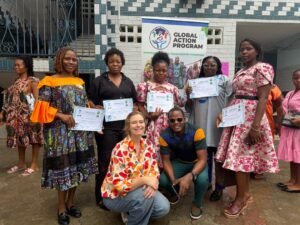
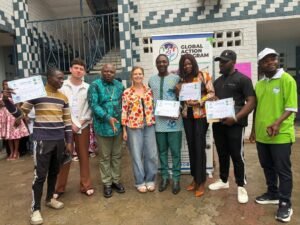
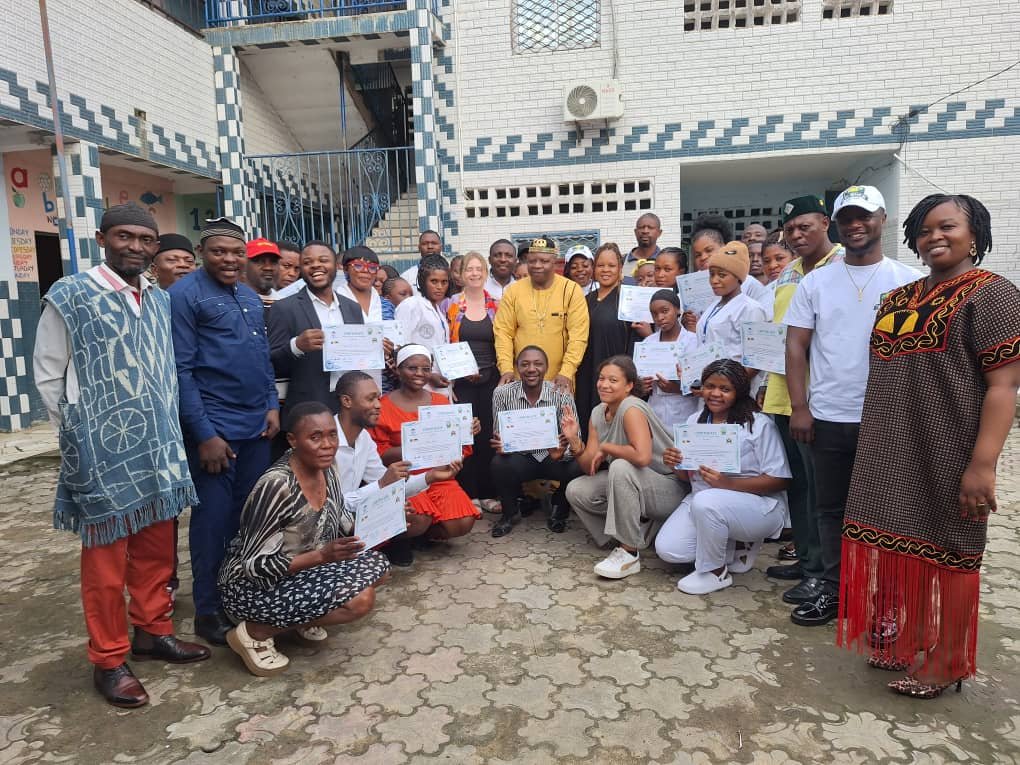
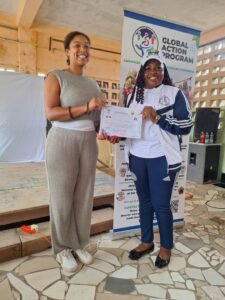
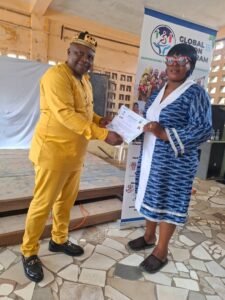
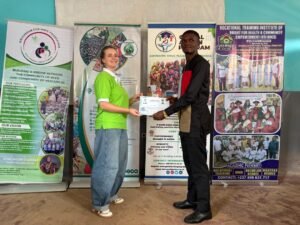
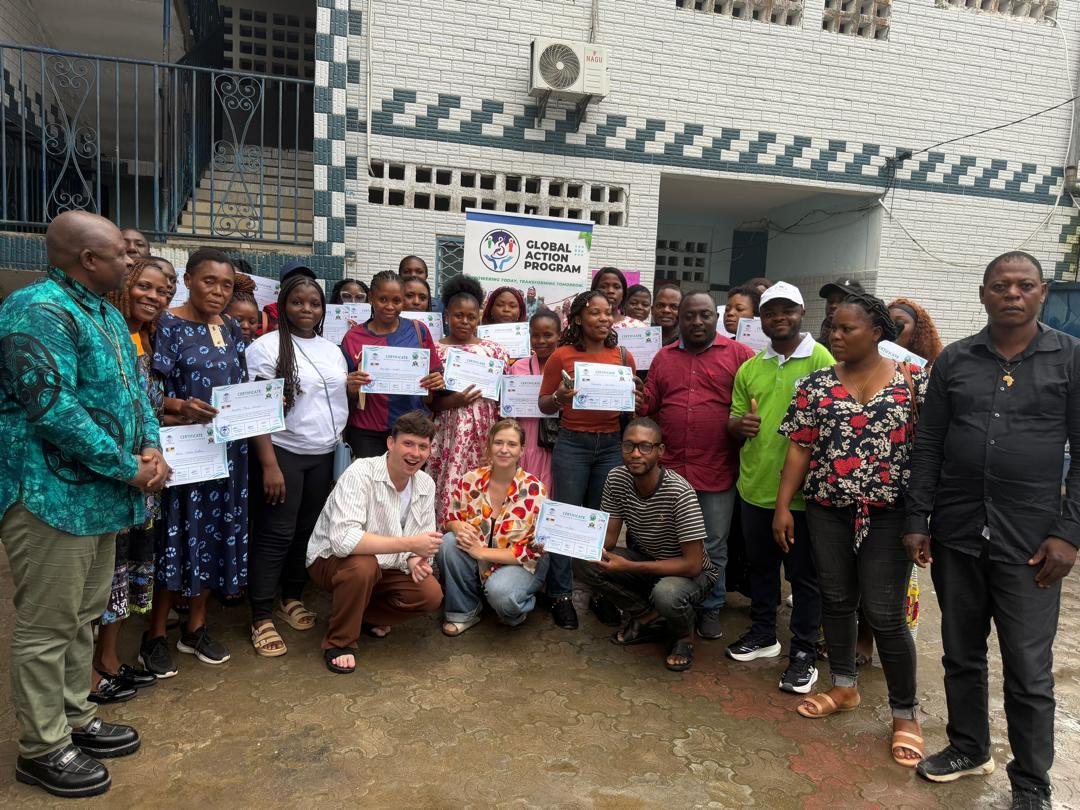
    At the end of the training, teachers were handed certificates which will serve as proof that they have been trained as school club masters. The participants expressed their gratitude for being given the opportunity to learn from the facilitators and their fellow colleagues and equally promised to implement the knowledge gotten in their different schools.

    As host of ASA participants and together with the collaborating to organizations, GAP is now tasked with following up with these schools and supporting their clubs across Douala and Yoaunde, which will include school visits, follow -up meetings and checks in the miro board.

    We want to thank the proprietor and management of Sky Limit Nursery and Primary School for accepting to host our workshop. Special thanks to the facilitators, the collaborating organizations and the participant teachers as they all made this a success.
     

  • BUILDING THE BLUEPRINT: GAP TRAINS TEACHERS TO START AND SUSTAIN ESD SCHOOL CLUBS

    BUILDING THE BLUEPRINT: GAP TRAINS TEACHERS TO START AND SUSTAIN ESD SCHOOL CLUBS

    For many schools, school clubs and its activities is just an extracurricular activity that takes children out of the classroom but then these clubs could be a hub where students and pupils build businesses, learn skills, share ideas and knowledge on how to care for their communities and the planet. That has been one of the main focus of our ESD project this year and was at the heart of our one-day training on Saturday, october 10th 2026 at, at Mount Sinai Anglo-Saxon Nursery and Primary School in Boko, Douala.

    Global Action Program (GAP) hosted the Teacher Training on Organizing and Managing ESD School Clubs, under the theme “Building the Blueprint: Practical Steps to Start and Sustain Your ESD School Clubs.” The training is part of the ASA BASIS Project and was held in partnership with SOPISDEW, VTI, GB4H and the ASA Programme. From 8 am to 4 pm, teachers and instructors from five schools in Boko came together to learn how to create and manage Education for Sustainable Development (ESD) clubs in their respective schools.

    Education for Sustainable Development helps learners understand the big challenges of our time, from climate change to inequality, and gives them the skills and confidence to be part of the solution. A school club is one of the most practical ways to bring these ideas to life through students as it gives them space to lead, work as a team and turn learning into real projects. For this to be achieved, the clubs need trained teachers, clear structures and a plan, which is exactly what the training set out to provide to the participants.

    A day designed for learning, sharing and doing

    The program was built around two phases which were presentations and discussions. This was to make sure that the teachers do more than just listening by sharing experiences.  We had presentations with voices from across our partnership which included;

    • Tah Kennette Konsum, Director of SOPISDEW, presented the ESD School Clubs Project 2026.
    • Tata Charity Yenlan, Programs Manager of SOPISDEW, led the session on gender perspectives in ESD, a reminder that sustainability works best when girls and boys, women and men all have a voice.
    • Ngangwa Gabriel Foryang, Communication Officer of VTI-BHCE, shared lessons learned in previous projects.
    • Fabienne Molela, an ASA Program participant, spoke about experiences with school clubs.

    The World Café: six tables, six conversations

    The centrepiece of the afternoon which was the second part of the workshop was a World Café. Participants chose the topics that mattered most to them, sat at a table and spent 20 minutes discussing it and creating a poster. They could then move to a new table or stay where they were. Afterwards, all posters were hung around the hall for a Gallery Walk, so everyone could see the ideas generated and continue the conversation. The tables covered the key building blocks of a successful club which included;

    • Introducing ESD concepts to students
    • Student recruitment, mobilization and forming a school club
    • Internal club governance: leaders, roles, responsibilities and settings
    • External club governance: involving principals, working with the school timetable and securing resources
    • How to build a school action plan
    • Sharing challenge, best practices and examples of lessons learned that can be thought to others

    images from the gallery walk

    From training to action

    The training closed with a clear road map for participating schools, in two stages. These two stages were for them to;

    1. build their club: this includes recruiting interested students, establish the club, find students leaders, identify a sustainability challenge, develop a club project and an action plan
    2. take action: which include implementing a student-led project, documenting activities and progress, exchanging experiences with other schools, evaluating results, challenges and lessons learned, and equally plan how the club can continue beyond the project.

    posters from the world cafe

    We also introduced the miro board to the teachers which is where they will continue to share and document their journey on the project and also serve as a networking hub for our partner schools.

    At the end of the seminar, certificates participation were handed to the participants.  The teachers expressed their gratitude for being offered the opportunity to learn and equally promised to implement the knowledge they have gained in their respective schools. As the next step in our project, we will do follow up to ensure that these clubs are created and also monitor their club activities/projects and assistant them when needed

  • OPENING DOORS TO EDUCATION THROUGH SCHOLARSHIPS

    OPENING DOORS TO EDUCATION THROUGH SCHOLARSHIPS

    Before the official school resumption, the GAP team did an observation in Boko Douala and discovered that some children had not yet done their registration because their parents or guardians cannot afford the tuition fee, school material and other basic needs without support and they were at risk of dropping out of school.  This is the pain many families in our communities’ face during this period and left with a hard choice to either keep their children at home or find a way to pay their fee. As an organization that is out to restore dignity and stability in families, we stepped in to support these families.

    What We Set Out to Do

    • Give partial scholarships for the 2026/2027 school year
    • Provide books, bags, and other school items to the beneficiaries

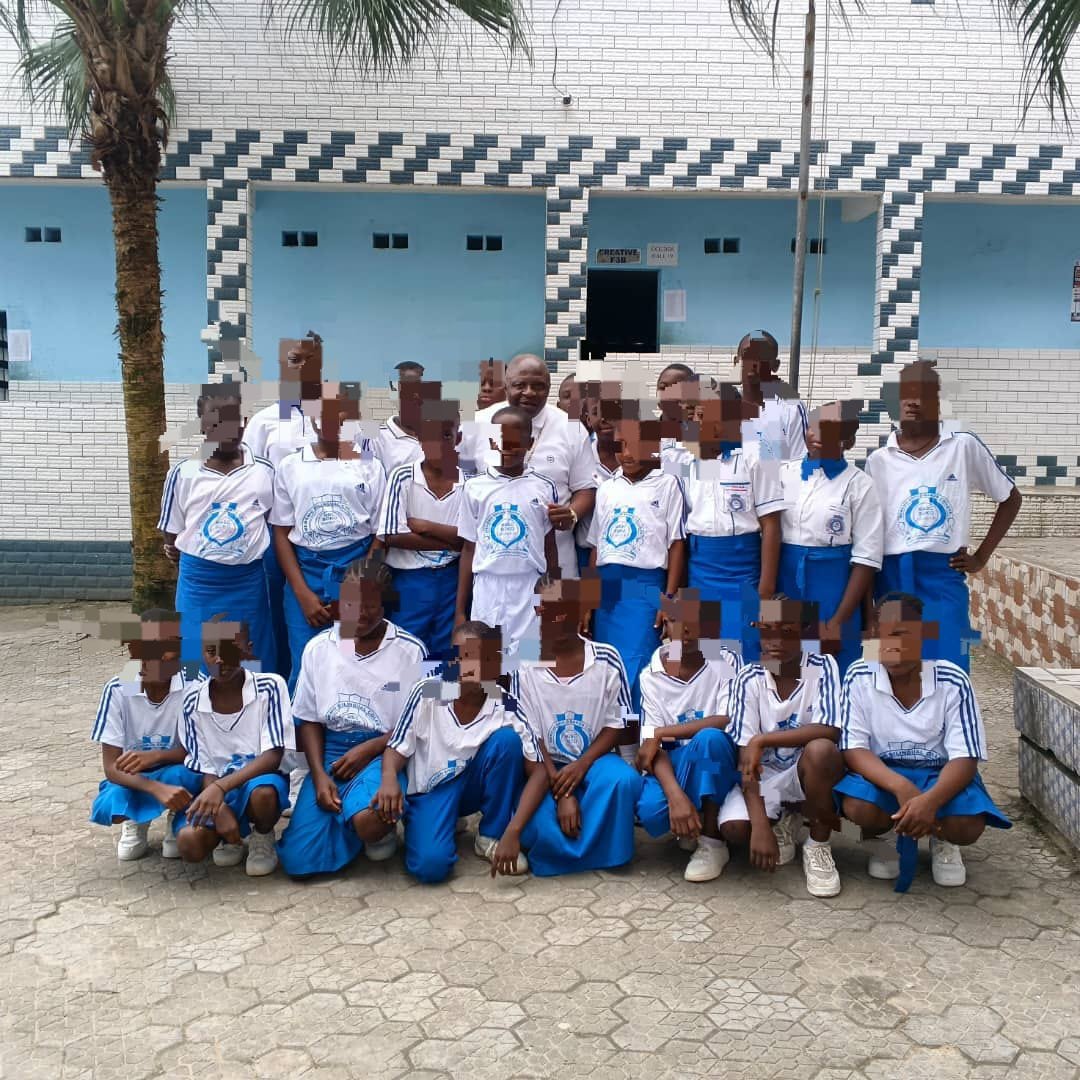
    On September 6 2026, we offered partial scholarships and school materials to students at Menemo Bilingual College. Without funding or external support, GAP was able to mobilize resources under the leadership of our founder and send 30 students back to school for the academic year 2026/2027 in Boko, village Douala. This was the first step to making sure that these young people could walk into their classrooms ready to learn and not lacking in terms of school materials.

    Education is one of the strongest tools that a child needs to build a better future for themselves and their families. This project is part of our ongoing commitments to Sustainable Development Goal 4 (SDG4): Quality education and to standing beside families in our community when they need it most.

    Through initiatives like these, we can collectively ensure that every one has access to quality education and we will continue to walk with these students on their families. We are open to partnership wit both individuals and organizations that are willing to help us reach more vulnerable persons in the community.

  • TEACHER TRAINING ON ORGANIZING AND MANAGING ESD CLUBS PART ONE

    TEACHER TRAINING ON ORGANIZING AND MANAGING ESD CLUBS PART ONE

    On August 6, 2026, 41 teachers from Mount Sinai, IPBEX High Standard, Menemo Bilingual college, and L’Expérience, Kingdom Anglo – Saxon nursery and primary school, CPLAN, G.S.B  Les Futurs lead, came together in Boko, Douala for an exciting first step in our training on Education for Sustainable Development (ESD) project.

    For the past three years, Global Action Program (GAP) has partnered with the Society for the Promotion of Initiatives in Sustainable Development and Welfare (SOPISDEW), the Green Bean for Hope Foundation (GB4H) and the ASA program to bring sustainability into the classrooms in Cameroon. This year, still with support from our partner the ASA Program, which brings volunteers to work alongside organizations like ours in Cameroon, we took that work from theory to practice, launching a project to train teachers as sustainability “club masters,” equipping them to start student-led sustainability clubs and guide real, hands-on projects designed and run by students themselves.

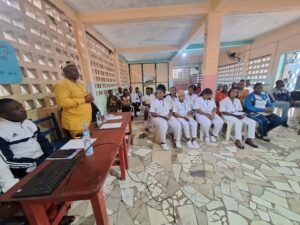
    The journey began with our first training workshop, hosted at Mount Sinai Anglo-Saxon Nursery and Primary School. In this session, teachers explored what sustainability means in the classroom, learned how to build and lead a school sustainability club and worked in teams to brainstorm real project ideas centered on health, the environment and many other sustainability ideas. Each team pitched their project concept to the group, which offered a first glimpse of the creative, student-led work about to start on the participating schools.

    images of the workshop session

    The workshop marked the completion of Phase 1 of the training journey, and participants left with new knowledge, certificates as a proof participation, a network with other participating schools and a framework of the projects they will carry out in their different school clubs to life with their students.

    Handing of certificates