Category: Blog

Your blog category

  • ESD TEACHER TRAINING WORKSHOP IN YAOUNDE

    ESD TEACHER TRAINING WORKSHOP IN YAOUNDE

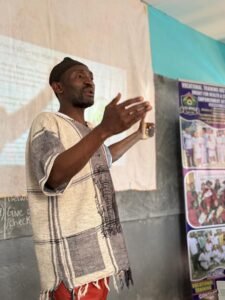
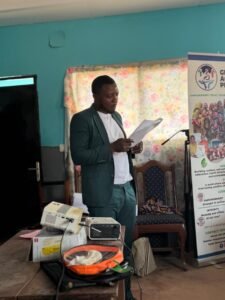
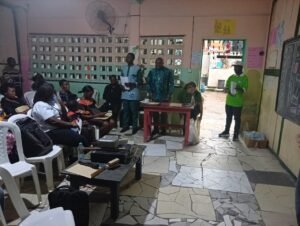
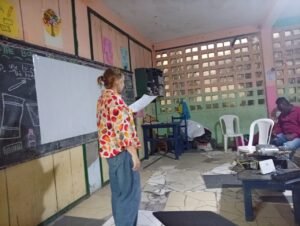
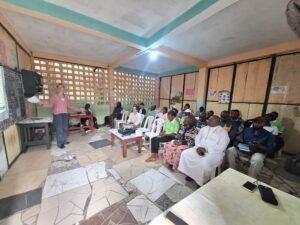
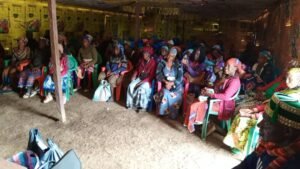
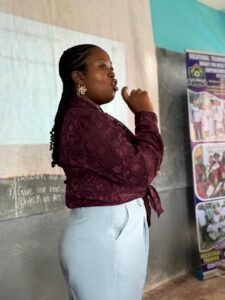
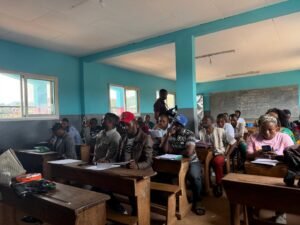
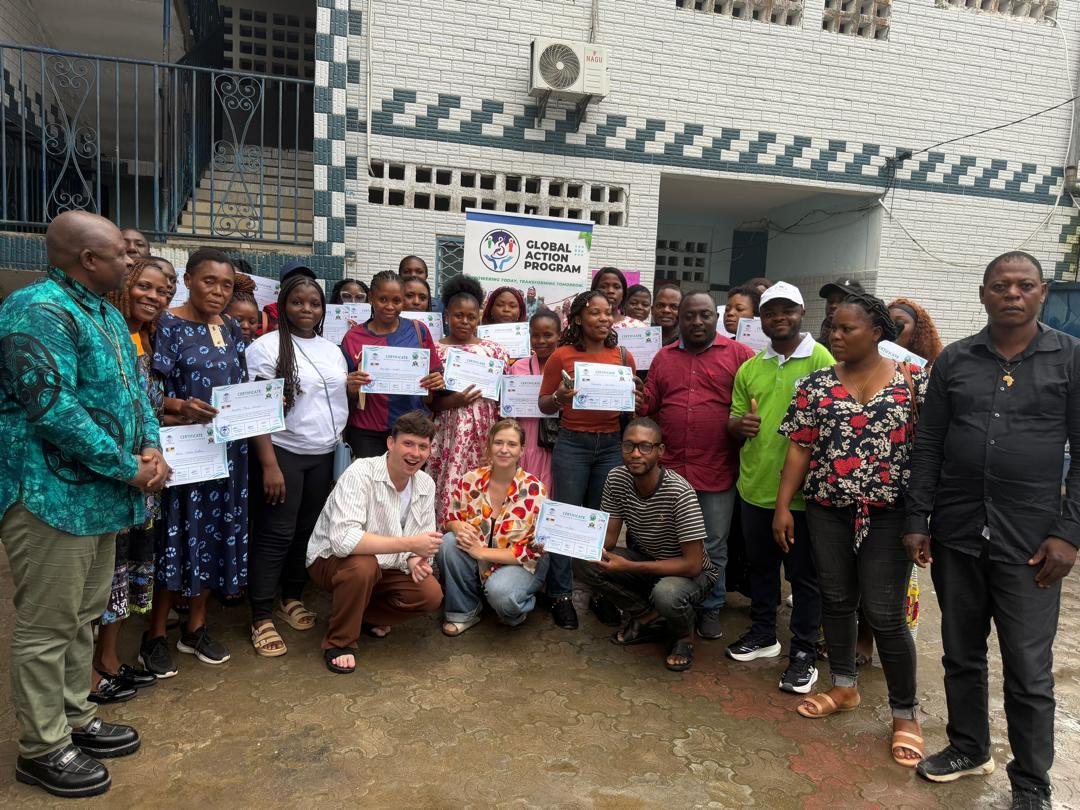
    Global Action Program (GAP) in collaboration with SOPISDEW, GB4H and VTI-BCH have again achieved another mile stone in their 2026 ESD project as they were able to organize a one-day workshop in the Yaoundé on October 17th 2026. This training which held at sky limit nursery and primary school Monte Sante in the center region of Cameroon brough together 41 teachers from different institutions across Yaoundé VI. The workshop followed the earlier 2026 ESD project held in Douala, aimed at training teachers on how to start and manage ESD school clubs in their schools.  Presentations during at the event were not different from those on our previous 2026 ESD workshop in Douala, which were centered around understanding the concept of ESD and what it is all about, gender perspectives in ESD, and example of a previous ESD project and lessons learned, and how these teachers can use the mirror board to document their club activities
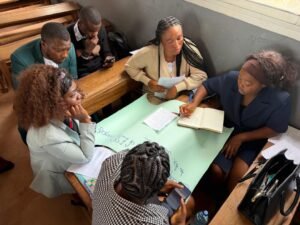
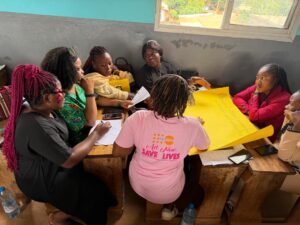
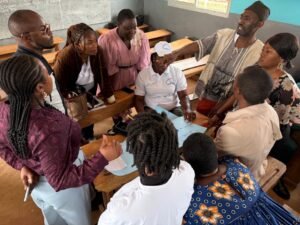
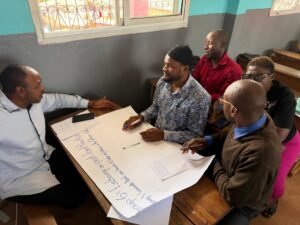
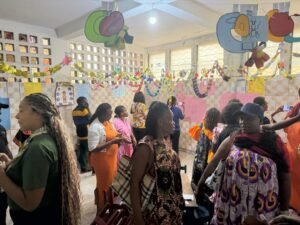
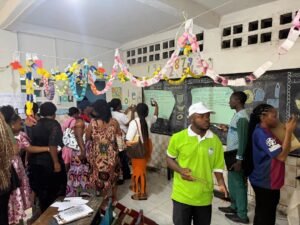
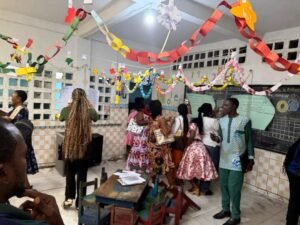
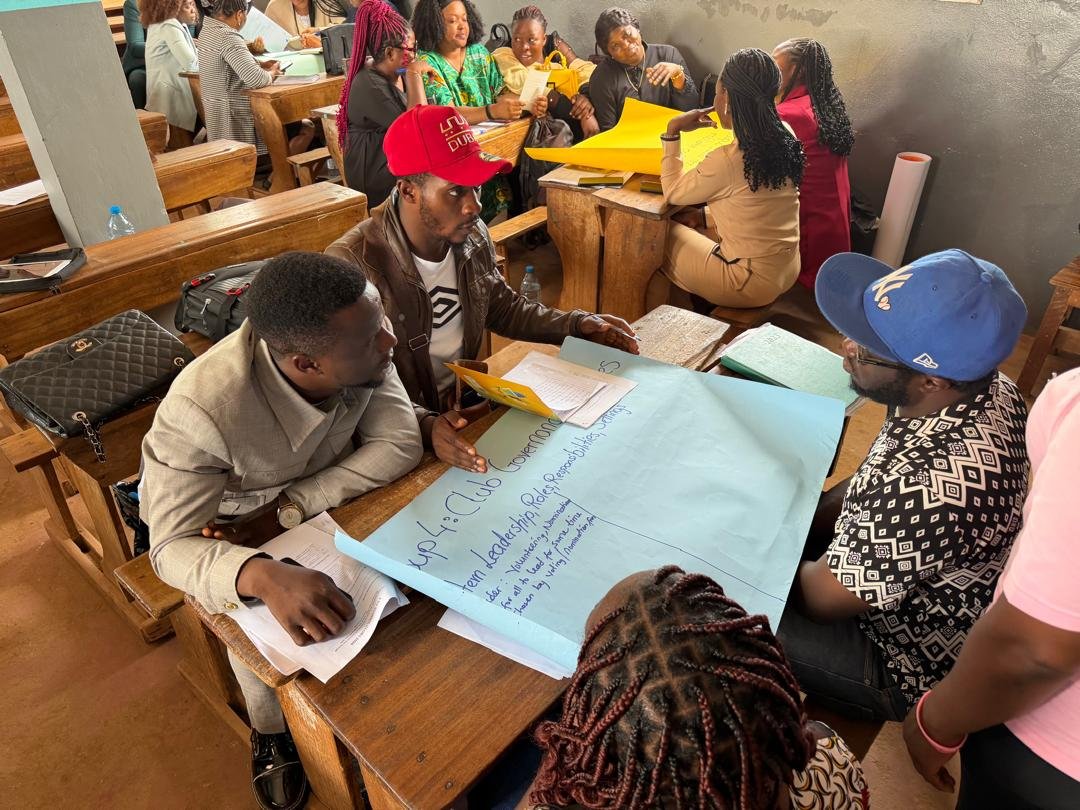
    Right after the presentations, the teachers went into a world café where they formed six groups and were assigned different topics in relation to ESD for them to brainstorm and share ideas on, which included;

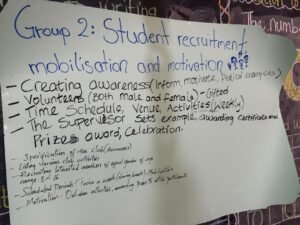
    • Student recruitment, mobilization and motivation in school clubs
    • Exchange on past best practice (things learned thar can teach and help others in the future clubs
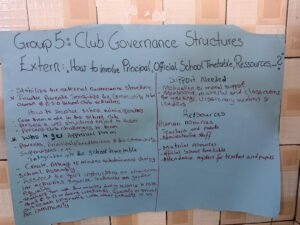
    • Club governance structures (how to involve the principal, include it in the school timetable or mobilize resources)
    • Introduction of ESD concepts to the students
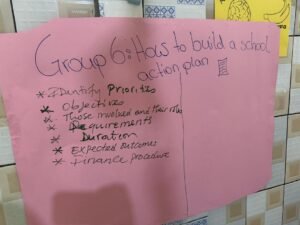
    • Hot to build a school action plan
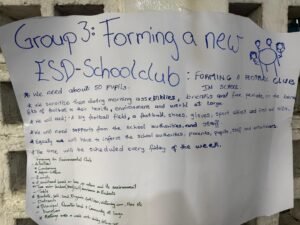
    • Forming a new ESD club.

    images of the world cafe

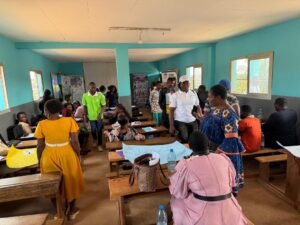
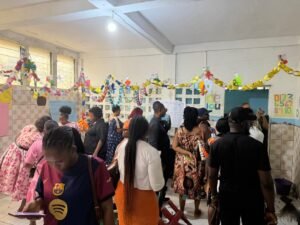
    This was followed by a gallery walk where the teachers moved from one group to the next t read what other participants had put up on their posters.
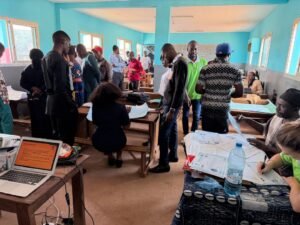
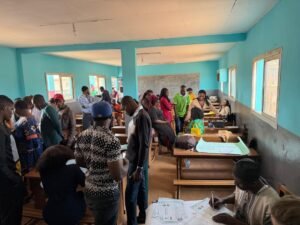
    images of the gallery walk by participants

    During the seminar, the participants were given the opportunity to express their worries and equally come up with possible solutions to their worries especially in regards to convincing proprietors to buy the idea of school clubs and equally contribute or support these club activities. These discussions ended with some suggestions from the participants which included:

    • Advocacy for these club activities to be included in the official Cameroon school curriculum
    • Visit of the different schools by the project team for discuss with the proprietors on the importance of the project to the school, the students, the community and why they should embrace the idea in their different institutions.
    • Sponsorship or support of school club’s maiden projects by the ESD project collaborating organizations as this will help parents to see the impact and will be motivated to fund or support the subsequent projects

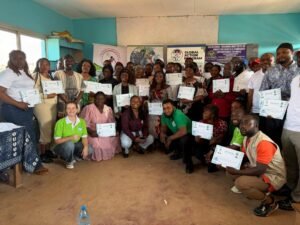
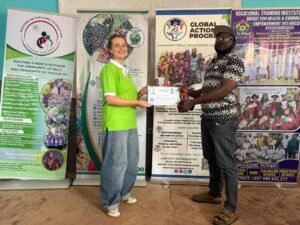
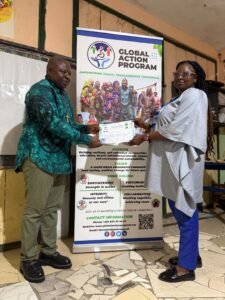
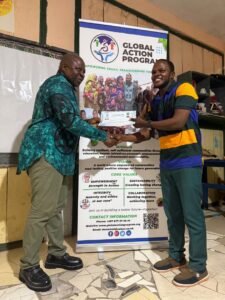
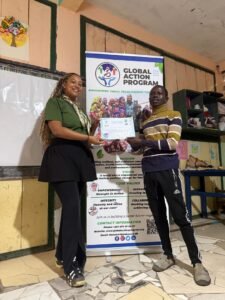
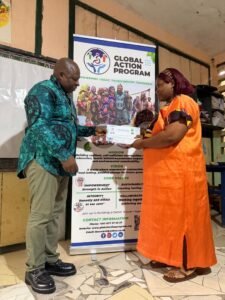
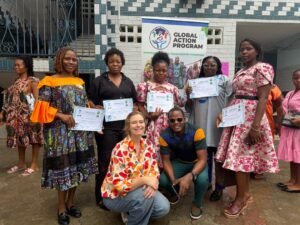
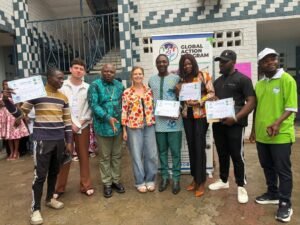
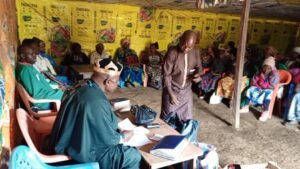
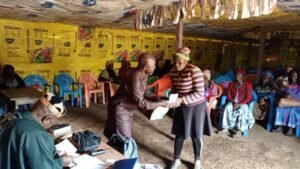
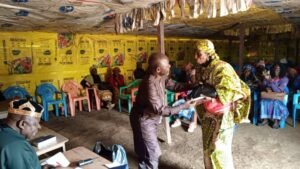
    At the end of the training, teachers were handed certificates which will serve as proof that they have been trained as school club masters. The participants expressed their gratitude for being given the opportunity to learn from the facilitators and their fellow colleagues and equally promised to implement the knowledge gotten in their different schools.
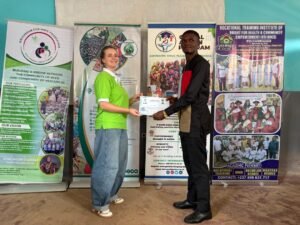
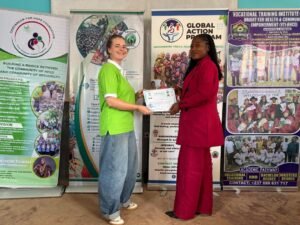
    As host of ASA participants and together with the collaborating to organizations, GAP is now tasked with following up with these schools and supporting their clubs across Douala and Yoaunde, which will include school visits, follow -up meetings and checks in the miro board.

    We want to thank the proprietor and management of Sky Limit Nursery and Primary School for accepting to host our workshop. Special thanks to the facilitators, the collaborating organizations and the participant teachers as they all made this a success.
     

  • BUILDING THE BLUEPRINT: GAP TRAINS TEACHERS TO START AND SUSTAIN ESD SCHOOL CLUBS

    BUILDING THE BLUEPRINT: GAP TRAINS TEACHERS TO START AND SUSTAIN ESD SCHOOL CLUBS

    For many schools, school clubs and its activities is just an extracurricular activity that takes children out of the classroom but then these clubs could be a hub where students and pupils build businesses, learn skills, share ideas and knowledge on how to care for their communities and the planet. That has been one of the main focus of our ESD project this year and was at the heart of our one-day training on Saturday, october 10th 2026 at, at Mount Sinai Anglo-Saxon Nursery and Primary School in Boko, Douala.

    Global Action Program (GAP) hosted the Teacher Training on Organizing and Managing ESD School Clubs, under the theme “Building the Blueprint: Practical Steps to Start and Sustain Your ESD School Clubs.” The training is part of the ASA BASIS Project and was held in partnership with SOPISDEW, VTI, GB4H and the ASA Programme. From 8 am to 4 pm, teachers and instructors from five schools in Boko came together to learn how to create and manage Education for Sustainable Development (ESD) clubs in their respective schools.

    Education for Sustainable Development helps learners understand the big challenges of our time, from climate change to inequality, and gives them the skills and confidence to be part of the solution. A school club is one of the most practical ways to bring these ideas to life through students as it gives them space to lead, work as a team and turn learning into real projects. For this to be achieved, the clubs need trained teachers, clear structures and a plan, which is exactly what the training set out to provide to the participants.

    A day designed for learning, sharing and doing

    The program was built around two phases which were presentations and discussions. This was to make sure that the teachers do more than just listening by sharing experiences.  We had presentations with voices from across our partnership which included;

    • Tah Kennette Konsum, Director of SOPISDEW, presented the ESD School Clubs Project 2026.
    • Tata Charity Yenlan, Programs Manager of SOPISDEW, led the session on gender perspectives in ESD, a reminder that sustainability works best when girls and boys, women and men all have a voice.
    • Ngangwa Gabriel Foryang, Communication Officer of VTI-BHCE, shared lessons learned in previous projects.
    • Fabienne Molela, an ASA Program participant, spoke about experiences with school clubs.

    The World Café: six tables, six conversations

    The centrepiece of the afternoon which was the second part of the workshop was a World Café. Participants chose the topics that mattered most to them, sat at a table and spent 20 minutes discussing it and creating a poster. They could then move to a new table or stay where they were. Afterwards, all posters were hung around the hall for a Gallery Walk, so everyone could see the ideas generated and continue the conversation. The tables covered the key building blocks of a successful club which included;

    • Introducing ESD concepts to students
    • Student recruitment, mobilization and forming a school club
    • Internal club governance: leaders, roles, responsibilities and settings
    • External club governance: involving principals, working with the school timetable and securing resources
    • How to build a school action plan
    • Sharing challenge, best practices and examples of lessons learned that can be thought to others

    images from the gallery walk

    From training to action

    The training closed with a clear road map for participating schools, in two stages. These two stages were for them to;

    1. build their club: this includes recruiting interested students, establish the club, find students leaders, identify a sustainability challenge, develop a club project and an action plan
    2. take action: which include implementing a student-led project, documenting activities and progress, exchanging experiences with other schools, evaluating results, challenges and lessons learned, and equally plan how the club can continue beyond the project.

    posters from the world cafe

    We also introduced the miro board to the teachers which is where they will continue to share and document their journey on the project and also serve as a networking hub for our partner schools.

    At the end of the seminar, certificates participation were handed to the participants.  The teachers expressed their gratitude for being offered the opportunity to learn and equally promised to implement the knowledge they have gained in their respective schools. As the next step in our project, we will do follow up to ensure that these clubs are created and also monitor their club activities/projects and assistant them when needed

  • POWERING TOMORROW, BRINGING SOLAR ENERGY TO THE CLASSROOM AND THE COMMUNITY

    POWERING TOMORROW, BRINGING SOLAR ENERGY TO THE CLASSROOM AND THE COMMUNITY

    Energy supply is unstable in many parts of the world. At the same time, some of the available sources of energy are harming the environment and because of this, more and more people are turning to solar energy which is clean, renewable, and becoming easier to afford or invest in for long term benefits and reliability. For many homes, schools and small businesses in Cameroon, steady electricity is still a daily concern which solar energy offers a practical solution to it already.  How ever, people can only use it well if they understand how it works and how to pay for it.

    In line with SDG 17(partnership for the goals) and with one of our core values (collaboration), we joined hands with Teen Alive (the host organization of ASA participants working on renewable energy), to host a training session on renewable energy under the theme “community engagement and training on solar energy within the frame work of ASA1510, Developing Decentralized Solar Energy, creating sustainable perspectives”

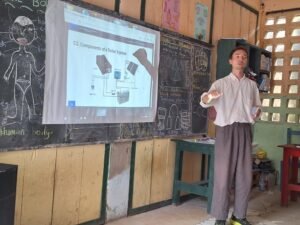
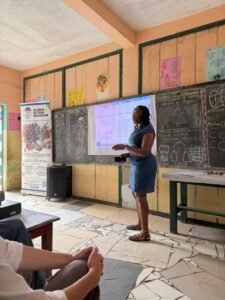
    The workshop which took place on October 3rd, 2026 at Mount Sinai Anglo-Saxon Nursery and Primary School brought together parents and teachers from our ESD partner schools to share knowledge on aspects around renewable energy. The workshop was divided into four parts;

    • Global climate change. We looked at what causes climate change and why it matters to every community.
    • Energy in Cameroon. We talked about the energy problems we face and the solutions within our reach.
    • The future of renewable energy. We discussed where clean energy is heading and how it can be taken to the classroom and school clubs
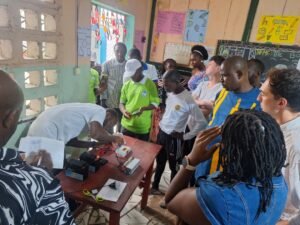
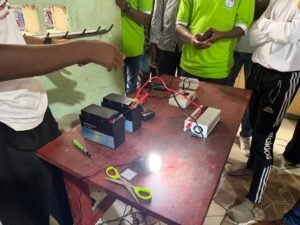
    • A practical session. We showed how to install a solar panel and how to work out the right panel and battery size for a home.

    Along the way, participants also learned what clean energy is why it is important, and how individuals and groups can install, manage and finance solar projects. The conversations from facilitators of teen alive also extended to women empowerment and how women can be involved or contribute to the adoption and management of energy for sustainability.

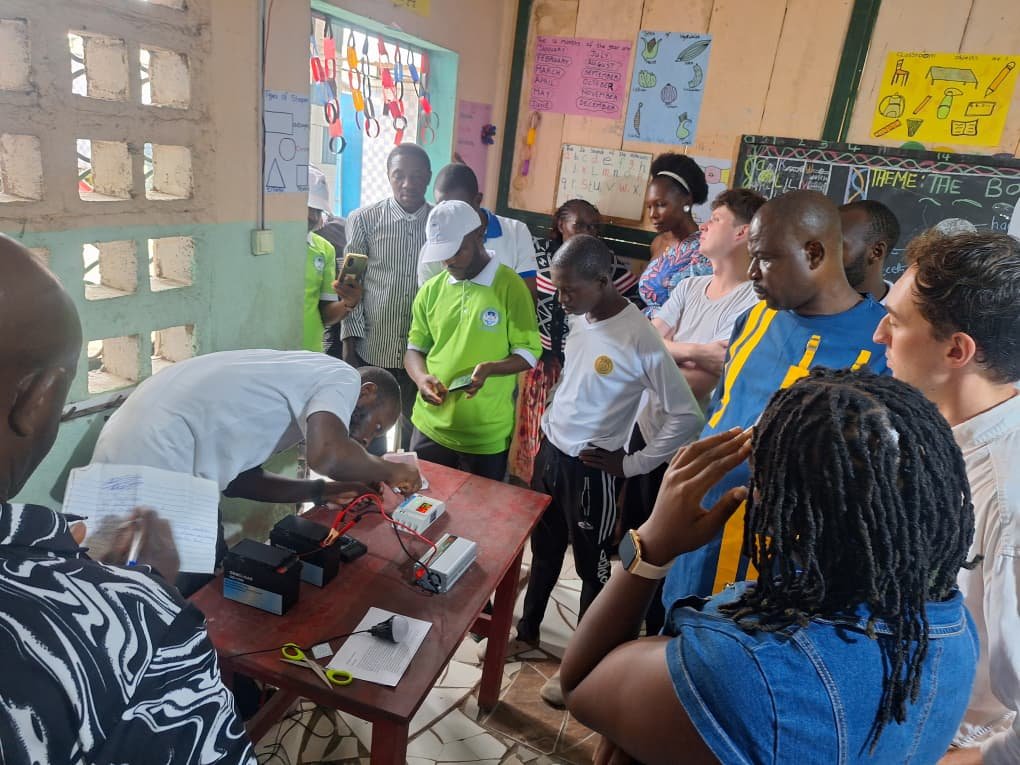
    After the presentations, the facilitators moved to a hand-on session where the facilitators did a stop by step demonstration on how solar panels are installed, connected to each other, the batteries, converters and then into homes using a prototype. Participants were guided through a simple way to choose the right system for their home which included

    • List all the appliances you use, such as bulbs, a phone charger, a television or a radio.
    • Note how much power each one uses and how many hours it runs each day.
    • Add these figures together to find your daily energy need
    • Use this total to decide the size of the solar panel and the battery you need.

    Key lessons that participants took away

    • A clearer understanding of climate change and clean energy.
    • Knowledge of the energy challenges in Cameroon and the solutions available.
    • Practical skills in solar panel installation and system sizing.
    • New ideas on how renewable energy can be taught in schools.

    Looking ahead

    This workshop showed what can happen when organizations work together. We sincerely thank the school management, our partner organizations, the facilitators and every participant who joined us. We are open to hold more sessions like this in other schools and communities. If your organization or school would like to partner with us, we would be glad to hear from you.


  • OPENING DOORS TO EDUCATION THROUGH SCHOLARSHIPS

    OPENING DOORS TO EDUCATION THROUGH SCHOLARSHIPS

    Before the official school resumption, the GAP team did an observation in Boko Douala and discovered that some children had not yet done their registration because their parents or guardians cannot afford the tuition fee, school material and other basic needs without support and they were at risk of dropping out of school.  This is the pain many families in our communities’ face during this period and left with a hard choice to either keep their children at home or find a way to pay their fee. As an organization that is out to restore dignity and stability in families, we stepped in to support these families.

    What We Set Out to Do

    • Give partial scholarships for the 2026/2027 school year
    • Provide books, bags, and other school items to the beneficiaries

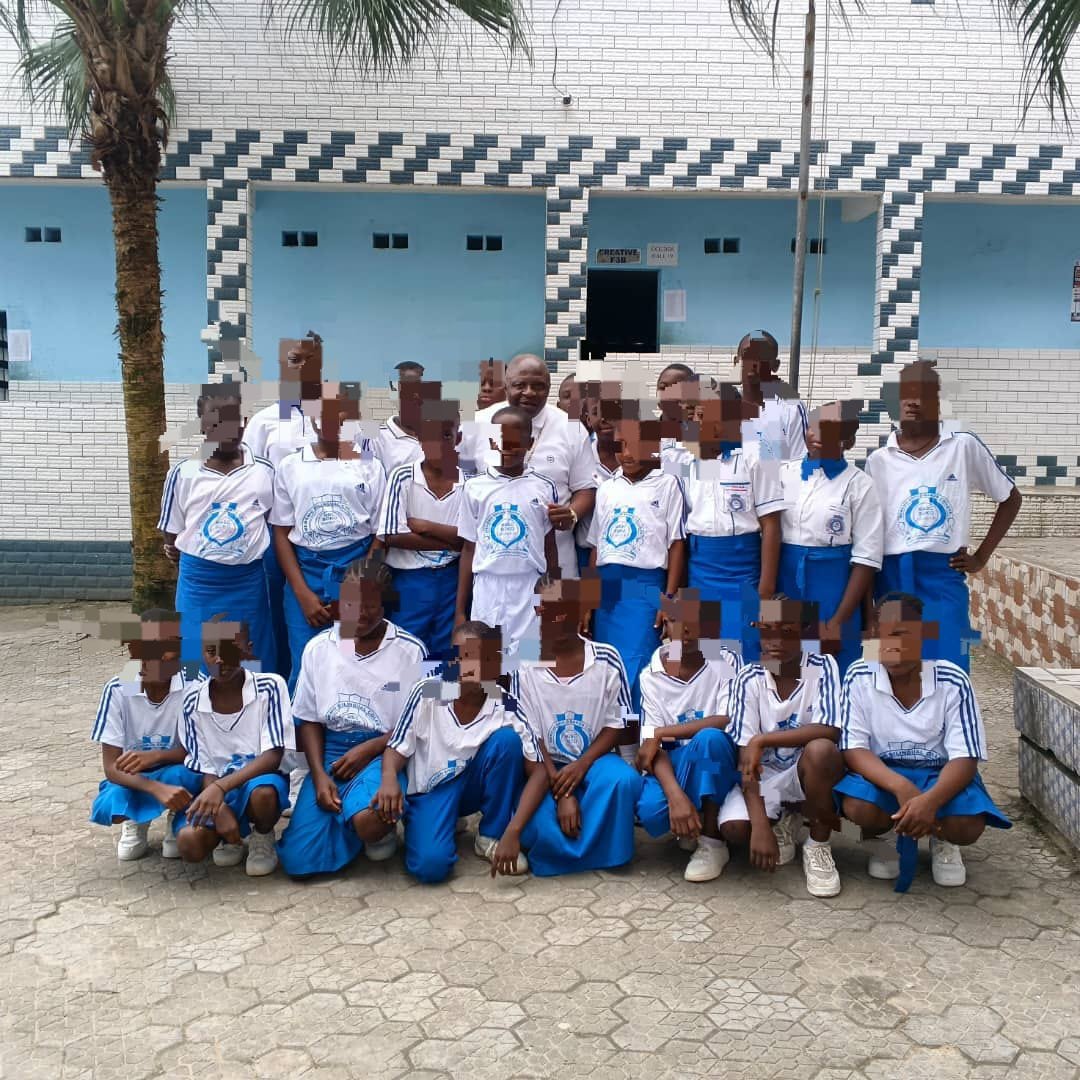
    On September 6 2026, we offered partial scholarships and school materials to students at Menemo Bilingual College. Without funding or external support, GAP was able to mobilize resources under the leadership of our founder and send 30 students back to school for the academic year 2026/2027 in Boko, village Douala. This was the first step to making sure that these young people could walk into their classrooms ready to learn and not lacking in terms of school materials.

    Education is one of the strongest tools that a child needs to build a better future for themselves and their families. This project is part of our ongoing commitments to Sustainable Development Goal 4 (SDG4): Quality education and to standing beside families in our community when they need it most.

    Through initiatives like these, we can collectively ensure that every one has access to quality education and we will continue to walk with these students on their families. We are open to partnership wit both individuals and organizations that are willing to help us reach more vulnerable persons in the community.

  • RESTORING HOPE TO WIDOWS IN WABANE

    RESTORING HOPE TO WIDOWS IN WABANE

    In Wabane, a sub-division in the South West region of Cameroon, losing a husband means losing g more than a life partner. We have heard this story in many communities around Cameroon, which leaves the woman carrying the family burden alone and far many cases, she is stripped off the very property that once supported the family. What follows is often hunger and women that can barely afford to feed themselves. This is the reality that led GAP to Wabane in early 2025 as we decide this is a reality to not just be observed.

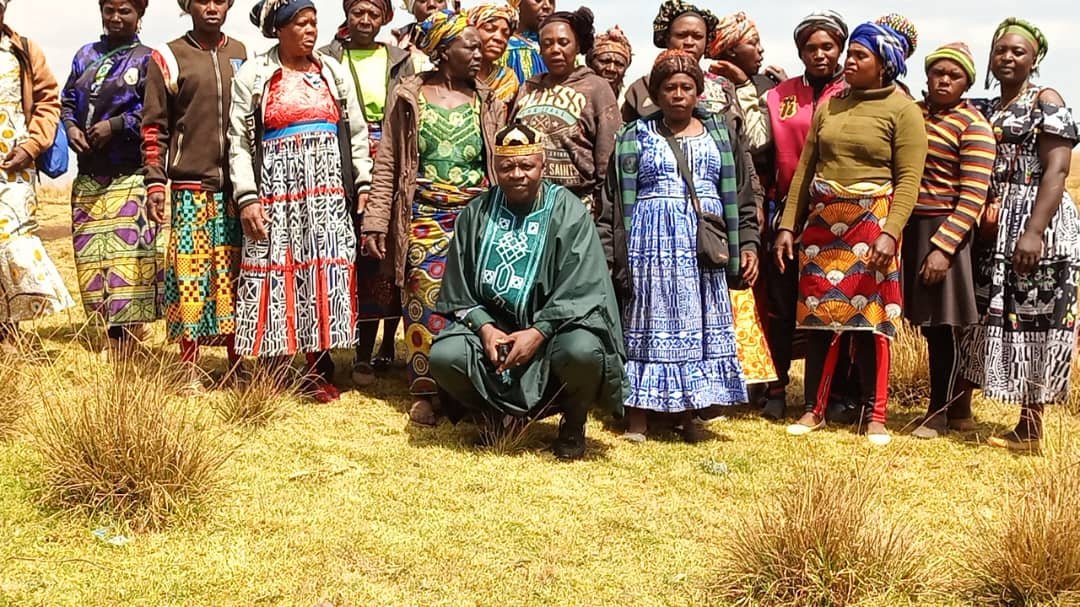
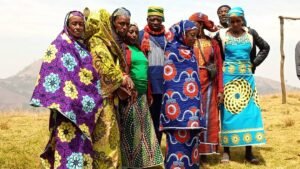
    Between the 16th and 18th and February 2025, our team travelled to Wabane and met directly with the women whose stories had reached us, not with promises but with actions to help them in our own little way. We were able to offer help to 97 widows in this community with a package of 30,000frs and some food supplies, enough to last them about two months while we worked on something sustainable.

    Who we reached

    In total, 97 women in the Wabane sub-division received direct support through this project; we had 30 widows below the age of 30, 70 between 31 to 60 years, and 12 who were above 60 years.

    Behind the number, there was an encounter with a beneficiary which always remind our team why this outreach mattered. Among them beneficiaries came support to one of the beneficiaries who was suffering from a leg ulcer that had gone untreated for some time but we had to expand the mission and get proper care for her. In her words “I really appreciate GAP for this initiative and for thinking about our community. Though your mission was just for offer cash and food, you decided to go out of your way to pay for my treatment which I don’t take for granted. Thank you so much for all the support I have given you”

    Why this matter

    The project is directly related to the United Nation’s sustainable Development Goal 2: Zero Hunger, but beyond the goal on paper, it transmits a message to the women: that no woman who has lost her husband should also have to go hungry and no community should wat that happen without helping. It is also directly related to GAP’s family resilience program which aims to support the vulnerable and less privileged.

    What makes it even more meaningful and fulfilling is the fact that GAP didn’t receive any form of external funding or donor to support the project but was able to restore hope and put smiles in the faces of these women.

    Join us

    Every woman we reached in Wabane is proof of what is possible when we empathize and decide to act and not wait. If you would like to help us reach more families in same situation either through your donation, time or partnership, we would love to hear from you. Every bit helps a family and the community to stay standing.