Author: Bah Avoline

  • POWERING TOMORROW, BRINGING SOLAR ENERGY TO THE CLASSROOM AND THE COMMUNITY

    POWERING TOMORROW, BRINGING SOLAR ENERGY TO THE CLASSROOM AND THE COMMUNITY

    Energy supply is unstable in many parts of the world. At the same time, some of the available sources of energy are harming the environment and because of this, more and more people are turning to solar energy which is clean, renewable, and becoming easier to afford or invest in for long term benefits and reliability. For many homes, schools and small businesses in Cameroon, steady electricity is still a daily concern which solar energy offers a practical solution to it already.  How ever, people can only use it well if they understand how it works and how to pay for it.

    In line with SDG 17(partnership for the goals) and with one of our core values (collaboration), we joined hands with Teen Alive (the host organization of ASA participants working on renewable energy), to host a training session on renewable energy under the theme “community engagement and training on solar energy within the frame work of ASA1510, Developing Decentralized Solar Energy, creating sustainable perspectives”
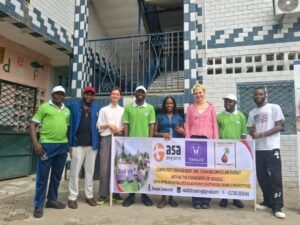
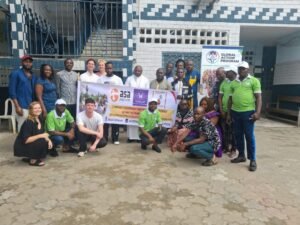
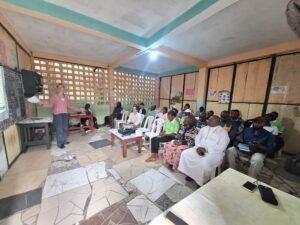
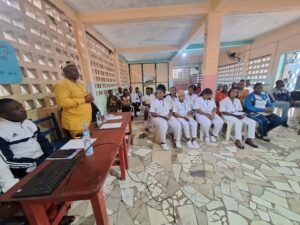
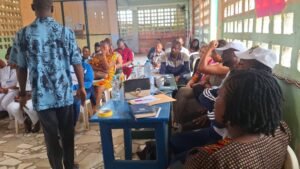
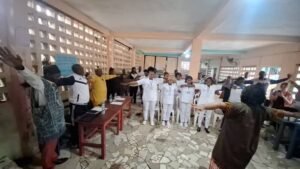
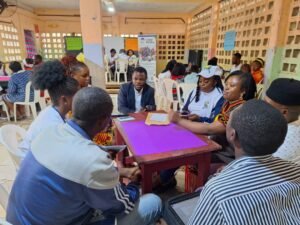
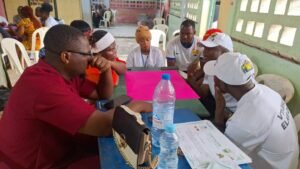
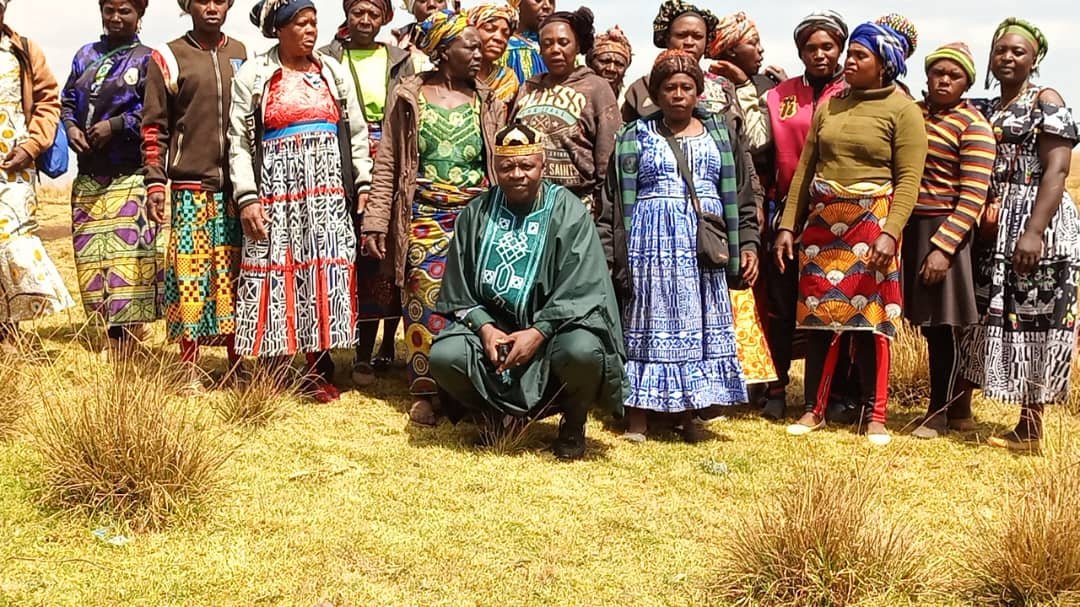
    The workshop which took place on October 3rd, 2026 at Mount Sinai Anglo-Saxon Nursery and Primary School brought together parents and teachers from our ESD partner schools to share knowledge on aspects around renewable energy. The workshop was divided into four parts;

    • Global climate change. We looked at what causes climate change and why it matters to every community.
    • Energy in Cameroon. We talked about the energy problems we face and the solutions within our reach.
    • The future of renewable energy. We discussed where clean energy is heading and how it can be taken to the classroom and school clubs
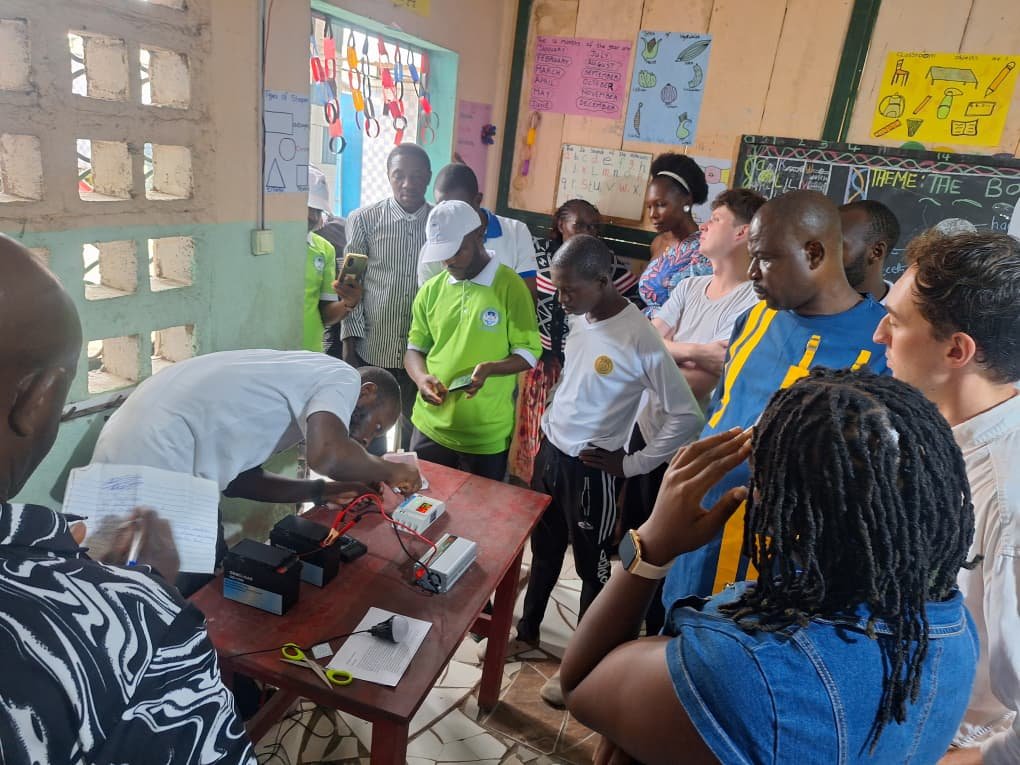
    • A practical session. We showed how to install a solar panel and how to work out the right panel and battery size for a home.
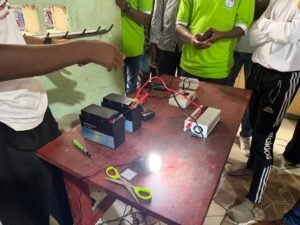
    Along the way, participants also learned what clean energy is why it is important, and how individuals and groups can install, manage and finance solar projects. The conversations from facilitators of teen alive also extended to women empowerment and how women can be involved or contribute to the adoption and management of energy for sustainability.
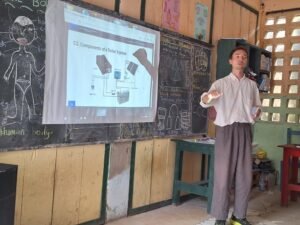
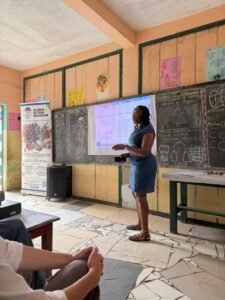
    After the presentations, the facilitators moved to a hand-on session where the facilitators did a stop by step demonstration on how solar panels are installed, connected to each other, the batteries, converters and then into homes using a prototype. Participants were guided through a simple way to choose the right system for their home which included

    • List all the appliances you use, such as bulbs, a phone charger, a television or a radio.
    • Note how much power each one uses and how many hours it runs each day.
    • Add these figures together to find your daily energy need
    • Use this total to decide the size of the solar panel and the battery you need.

    Key lessons that participants took away

    • A clearer understanding of climate change and clean energy.
    • Knowledge of the energy challenges in Cameroon and the solutions available.
    • Practical skills in solar panel installation and system sizing.
    • New ideas on how renewable energy can be taught in schools.

    Looking ahead

    This workshop showed what can happen when organizations work together. We sincerely thank the school management, our partner organizations, the facilitators and every participant who joined us. We are open to hold more sessions like this in other schools and communities. If your organization or school would like to partner with us, we would be glad to hear from you.
     

  • OPENING DOORS TO EDUCATION THROUGH SCHOLARSHIPS

    OPENING DOORS TO EDUCATION THROUGH SCHOLARSHIPS

    Before the official school resumption, the GAP team did an observation in Boko Douala and discovered that some children had not yet done their registration because their parents or guardians cannot afford the tuition fee, school material and other basic needs without support and they were at risk of dropping out of school.  This is the pain many families in our communities’ face during this period and left with a hard choice to either keep their children at home or find a way to pay their fee. As an organization that is out to restore dignity and stability in families, we stepped in to support these families.

    What We Set Out to Do

    • Give partial scholarships for the 2026/2027 school year
    • Provide books, bags, and other school items to the beneficiaries

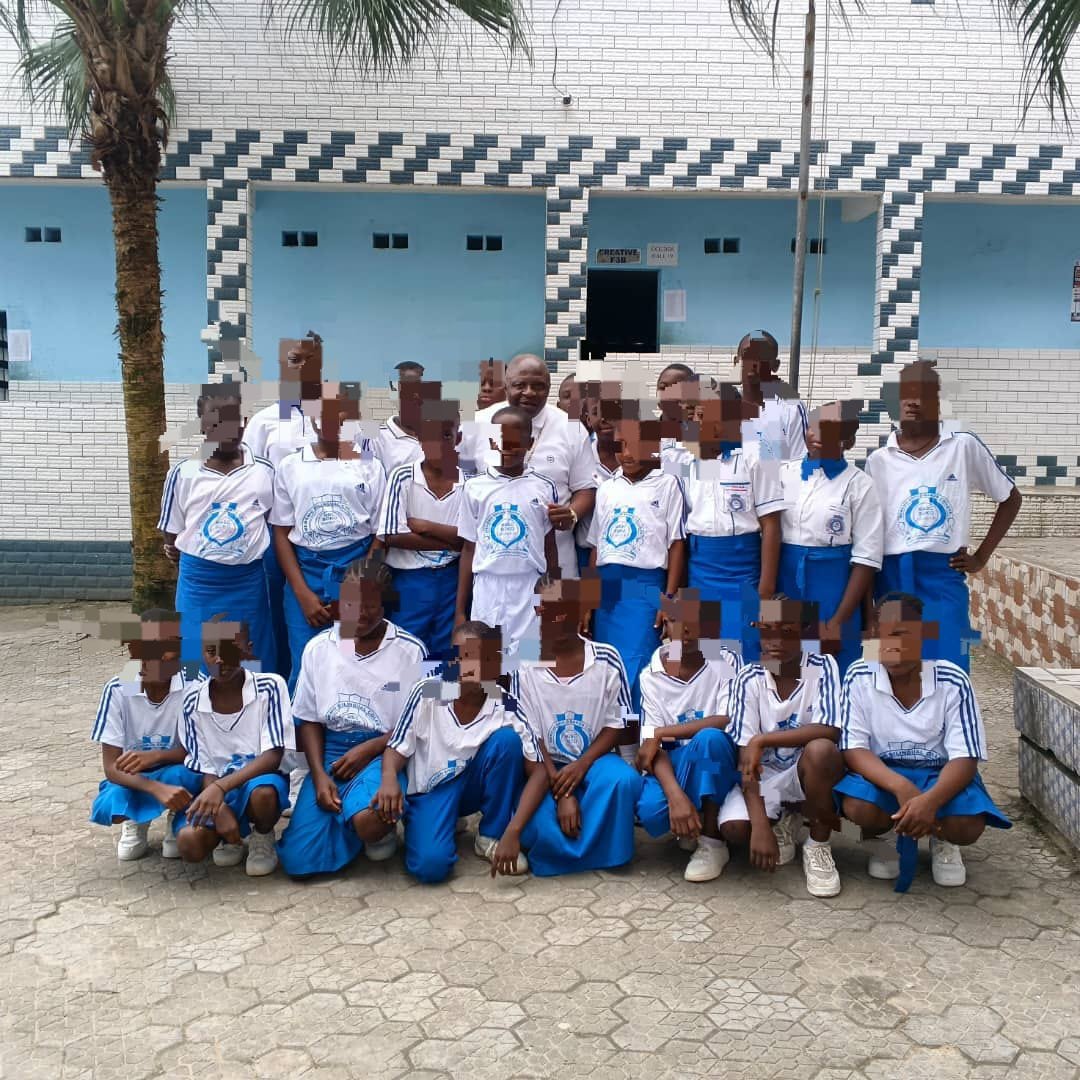
    On September 6 2026, we offered partial scholarships and school materials to students at Menemo Bilingual College. Without funding or external support, GAP was able to mobilize resources under the leadership of our founder and send 30 students back to school for the academic year 2026/2027 in Boko, village Douala. This was the first step to making sure that these young people could walk into their classrooms ready to learn and not lacking in terms of school materials.

    Education is one of the strongest tools that a child needs to build a better future for themselves and their families. This project is part of our ongoing commitments to Sustainable Development Goal 4 (SDG4): Quality education and to standing beside families in our community when they need it most.

    Through initiatives like these, we can collectively ensure that every one has access to quality education and we will continue to walk with these students on their families. We are open to partnership wit both individuals and organizations that are willing to help us reach more vulnerable persons in the community.

  • RESTORING HOPE TO WIDOWS IN WABANE

    RESTORING HOPE TO WIDOWS IN WABANE

    In Wabane, a sub-division in the South West region of Cameroon, losing a husband means losing g more than a life partner. We have heard this story in many communities around Cameroon, which leaves the woman carrying the family burden alone and far many cases, she is stripped off the very property that once supported the family. What follows is often hunger and women that can barely afford to feed themselves. This is the reality that led GAP to Wabane in early 2025 as we decide this is a reality to not just be observed.

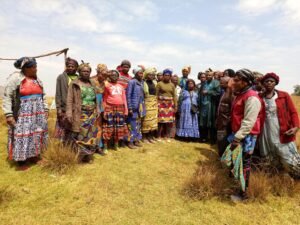
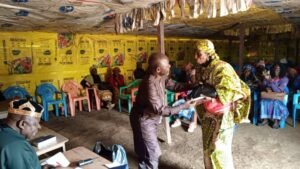
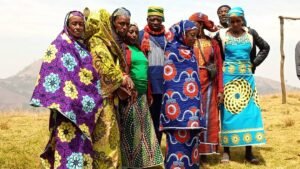
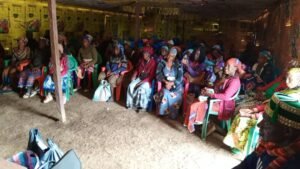
    Between the 16th and 18th and February 2025, our team travelled to Wabane and met directly with the women whose stories had reached us, not with promises but with actions to help them in our own little way. We were able to offer help to 97 widows in this community with a package of 30,000frs and some food supplies, enough to last them about two months while we worked on something sustainable.

    Who we reached

    In total, 97 women in the Wabane sub-division received direct support through this project; we had 30 widows below the age of 30, 70 between 31 to 60 years, and 12 who were above 60 years.

    Behind the number, there was an encounter with a beneficiary which always remind our team why this outreach mattered. Among them beneficiaries came support to one of the beneficiaries who was suffering from a leg ulcer that had gone untreated for some time but we had to expand the mission and get proper care for her. In her words “I really appreciate GAP for this initiative and for thinking about our community. Though your mission was just for offer cash and food, you decided to go out of your way to pay for my treatment which I don’t take for granted. Thank you so much for all the support I have given you”

    Why this matter

    The project is directly related to the United Nation’s sustainable Development Goal 2: Zero Hunger, but beyond the goal on paper, it transmits a message to the women: that no woman who has lost her husband should also have to go hungry and no community should wat that happen without helping. It is also directly related to GAP’s family resilience program which aims to support the vulnerable and less privileged.

    What makes it even more meaningful and fulfilling is the fact that GAP didn’t receive any form of external funding or donor to support the project but was able to restore hope and put smiles in the faces of these women.

    Join us

    Every woman we reached in Wabane is proof of what is possible when we empathize and decide to act and not wait. If you would like to help us reach more families in same situation either through your donation, time or partnership, we would love to hear from you. Every bit helps a family and the community to stay standing.


  • TEACHER TRAINING ON ORGANIZING AND MANAGING ESD CLUBS PART ONE

    TEACHER TRAINING ON ORGANIZING AND MANAGING ESD CLUBS PART ONE

    On August 6, 2026, 41 teachers from Mount Sinai, IPBEX High Standard, Menemo Bilingual college, and L’Expérience, Kingdom Anglo – Saxon nursery and primary school, CPLAN, G.S.B  Les Futurs lead, came together in Boko, Douala for an exciting first step in our training on Education for Sustainable Development (ESD) project.

    For the past three years, Global Action Program (GAP) has partnered with the Society for the Promotion of Initiatives in Sustainable Development and Welfare (SOPISDEW), the Green Bean for Hope Foundation (GB4H) and the ASA program to bring sustainability into the classrooms in Cameroon. This year, still with support from our partner the ASA Program, which brings volunteers to work alongside organizations like ours in Cameroon, we took that work from theory to practice, launching a project to train teachers as sustainability “club masters,” equipping them to start student-led sustainability clubs and guide real, hands-on projects designed and run by students themselves.

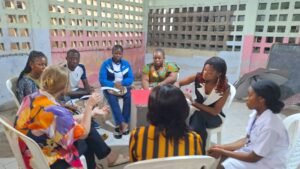
    The journey began with our first training workshop, hosted at Mount Sinai Anglo-Saxon Nursery and Primary School. In this session, teachers explored what sustainability means in the classroom, learned how to build and lead a school sustainability club and worked in teams to brainstorm real project ideas centered on health, the environment and many other sustainability ideas. Each team pitched their project concept to the group, which offered a first glimpse of the creative, student-led work about to start on the participating schools.

    images of the workshop session

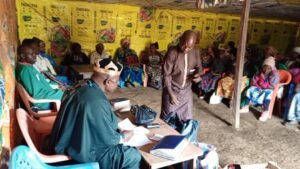
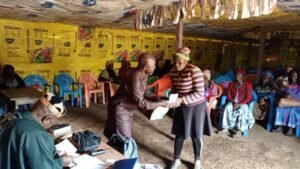
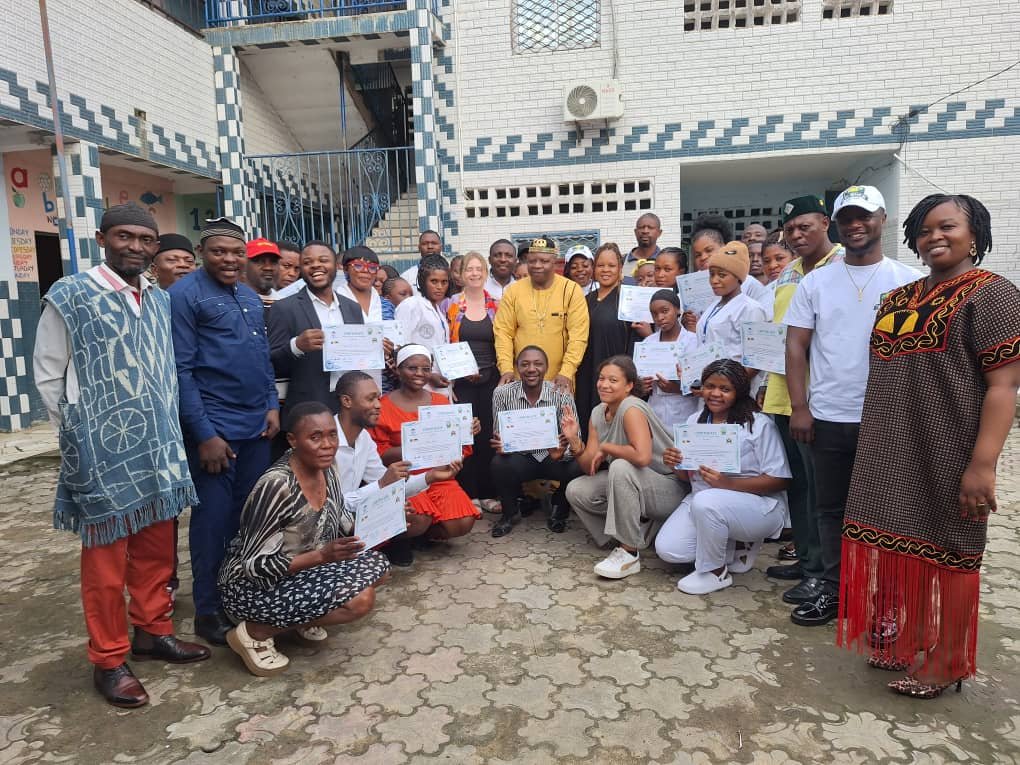
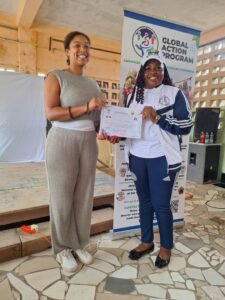
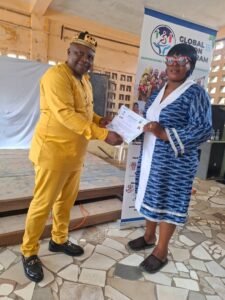
    The workshop marked the completion of Phase 1 of the training journey, and participants left with new knowledge, certificates as a proof participation, a network with other participating schools and a framework of the projects they will carry out in their different school clubs to life with their students.

    Handing of certificates